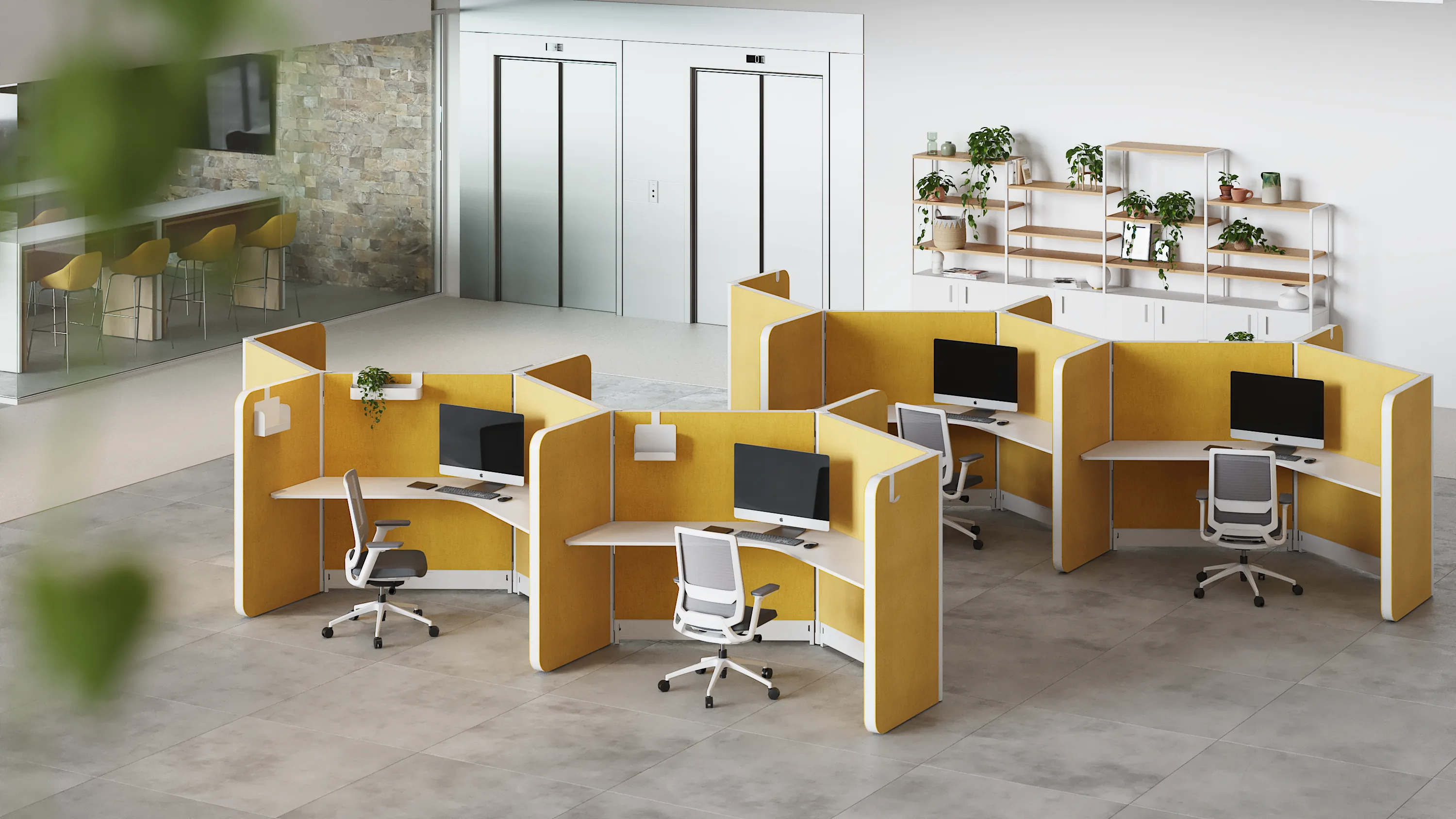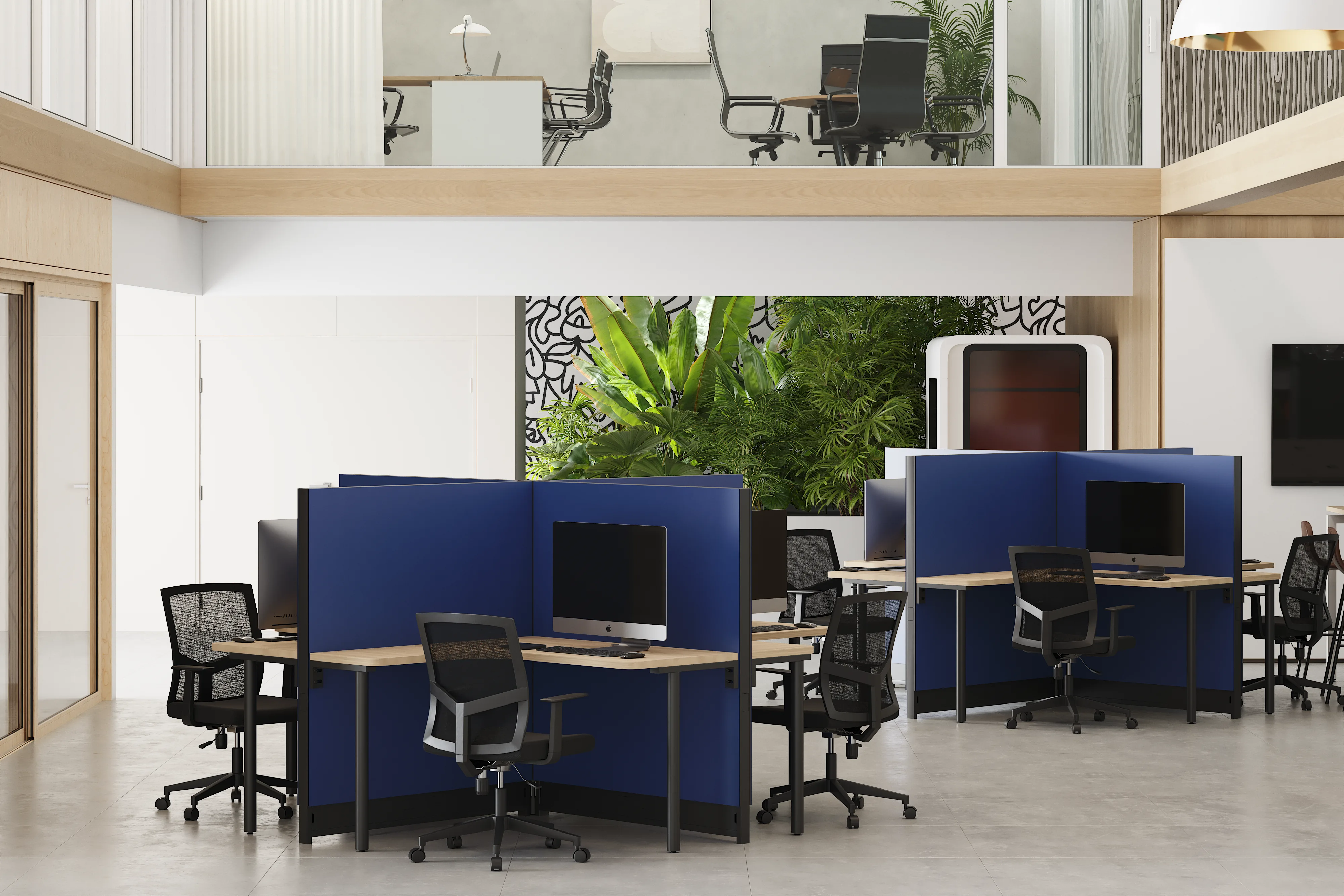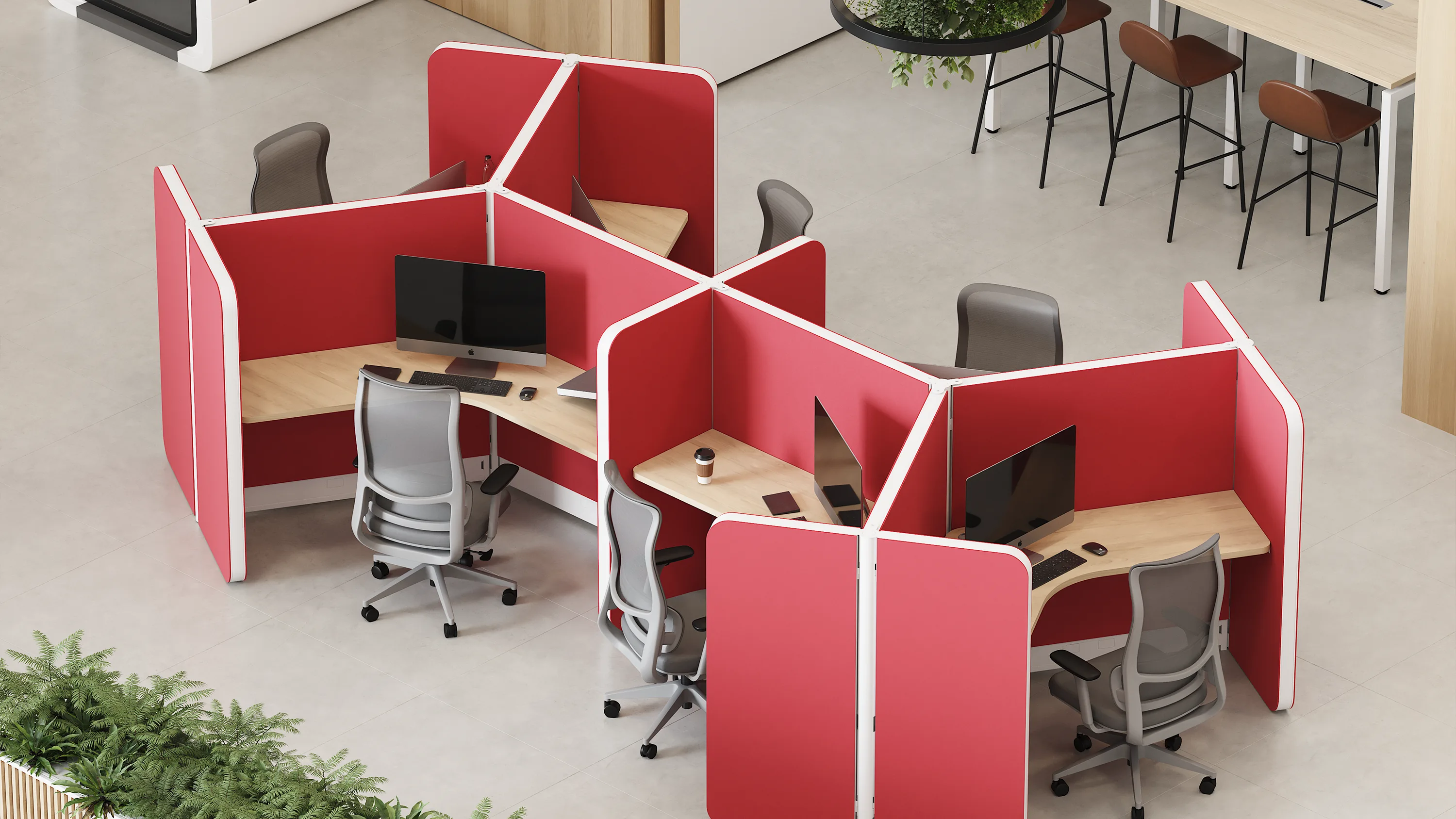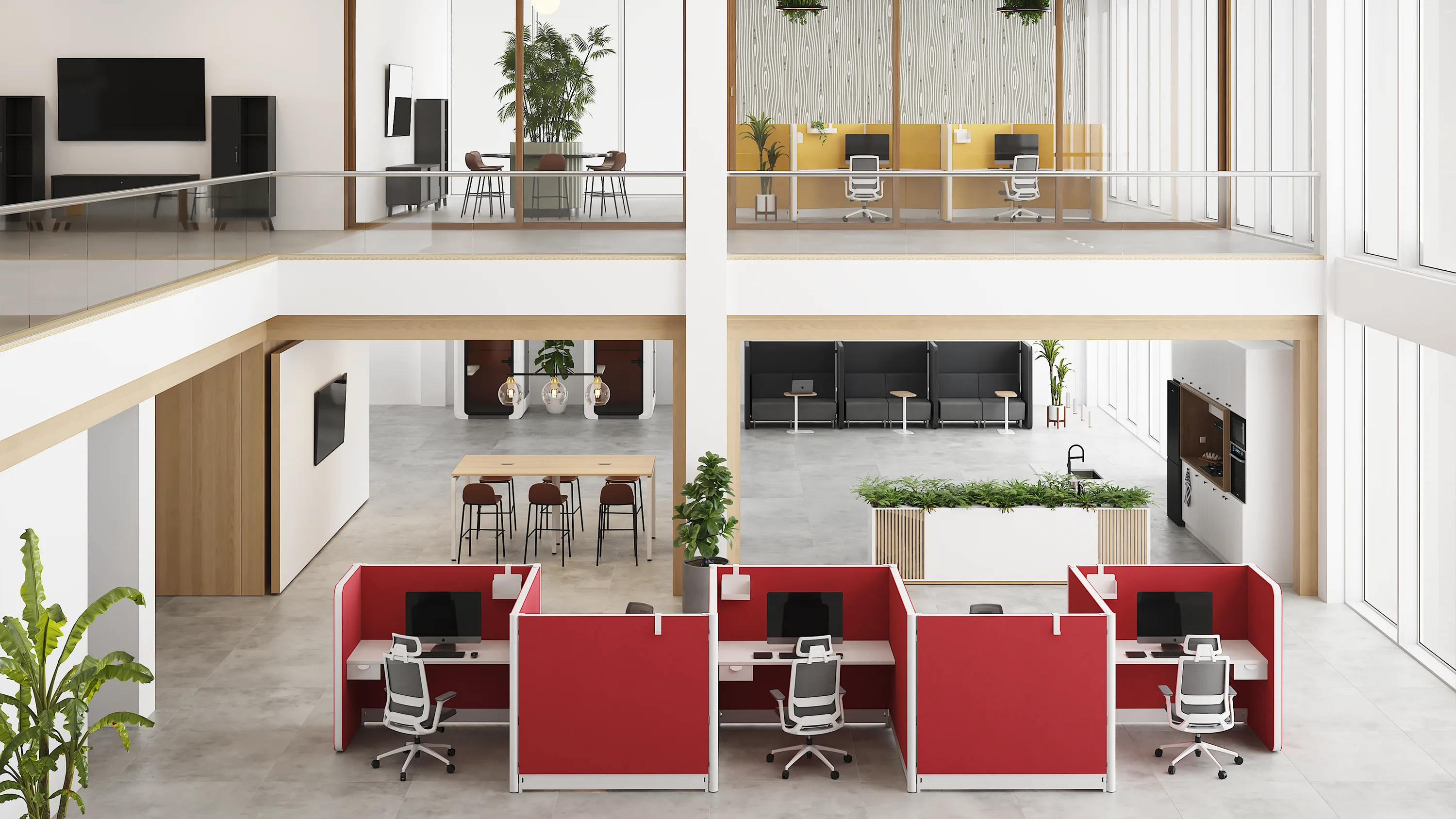
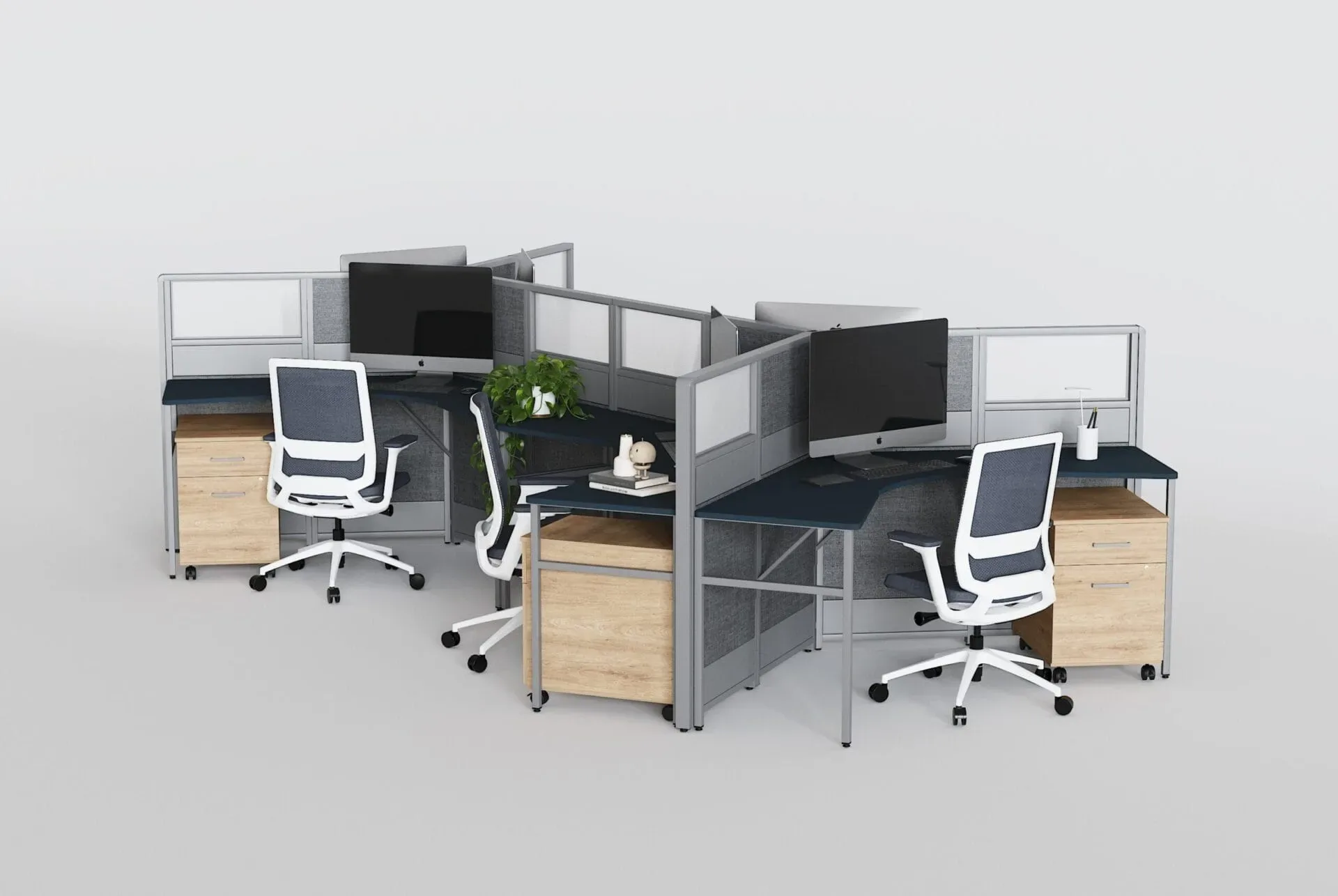
Executive offices communicate a company's level of leadership, order, and vision without saying a word. Every element within that space — from the desk to the lighting — sends a message. One of the components that most influences that perception, and is often underestimated, is partitions: the dividing elements that define the space, provide privacy, and shape the architectural character of the executive office.
Far from being simple dividing panels, elegant partitions for executive offices have become a strategic design element in modern corporate projects — able to provide privacy without closing off the space, and elegance without tipping into ostentation.
In this article, we explore what these partitions are, why they are key to designing executive areas, what materials and styles are available, and how to choose the right option for a truly representative leadership space.
What Are Partitions for Executive Offices?
Partitions for executive offices are dividing elements designed specifically to define leadership spaces — general management, mid-level management, executive offices — combining visual and/or acoustic privacy functions with an aesthetic language that matches the hierarchy of the space.
Unlike partitions used in operational workstations, executive partitions tend to prioritize:
- Materials with a higher perceived quality (tempered glass, wood, metal with special finishes).
- Cleaner, more minimalist designs.
- Integration with the rest of the executive furniture (desks, bookcases, informal meeting areas).
- Lower visual density, prioritizing transparency and natural light whenever possible.
Why Are They Important in Executive Space Design?
1. Privacy Without Total Isolation
One of the biggest challenges in designing modern executive offices is balancing privacy with openness. Elegant partitions, especially those made of tempered glass, make it possible to define a leadership space without creating the feeling of confinement that comes with an office fully enclosed by traditional walls.
2. They Reinforce the Image of Leadership
The material, finish, and proportions of a partition communicate hierarchy. A glass partition with a slim metal frame, for example, conveys modernity and organizational transparency; a partition with wood panels and metal details adds warmth and solidity. The choice should align with the culture and leadership style the company wants to project.
3. They Provide Visual Continuity and Natural Light
In open floor plans with perimeter executive offices, glass partitions allow natural light to reach the interior areas of the floor, preventing enclosed offices from "blocking" the lighting for the rest of the space. This improves both the visual experience and the overall well-being of the team.
4. Acoustic Reduction in Informal Meetings
It's common for executive offices to host conversations that require a certain level of confidentiality. Integrating partitions with acoustic properties — whether through composite panels or laminated glass combinations — helps mitigate sound transmission to adjoining areas, without the need to build permanent walls.
5. Flexibility for Reorganizations
Unlike traditional construction work (drywall, block walls), modular partitions can be disassembled, relocated, or adjusted when a company reorganizes its executive structure, without the time and cost implications of a full construction remodel.
Most Commonly Used Materials in Elegant Executive Partitions
Tempered Glass
This is the material most associated with contemporary elegance in executive offices. It provides transparency, a sense of spaciousness, and a minimalist aesthetic. It can be combined with slim aluminum frames, metal profiles in bronze or black tones, or installed frameless for an even cleaner effect.
Wood and Wood-Look Finishes
These add warmth and a more "classic executive" feel to the space. They are frequently used in combination with glass, creating mixed panels where the lower section is solid (for privacy) and the upper section is transparent (for light and visual openness).
Metal Structures
Metal frames and profiles in finishes such as matte black, brushed bronze, or anodized aluminum add a more architectural, premium-industrial character, widely used in corporate offices with a modern aesthetic.
Acrylic and Composite Panels
These offer a middle ground between cost and aesthetics, allowing for color, texture, or controlled translucency — useful when partial privacy is needed without going as far as a full glass enclosure.
Partition Styles by Type of Executive Office
- Floor-to-ceiling tempered glass partitions: ideal for general management offices looking to project organizational transparency and maximum light.
- Mixed partitions (glass + wood or metal): balance visual privacy on the lower section with openness on the upper section, widely used in management and executive coordination offices.
- Minimalist thin-frame partitions: prioritize a clean, contemporary visual language, common in corporate offices with an architectural aesthetic.
- Partitions with wood and metal details: add a warmer, more premium character, common in general management offices or reception spaces for important clients.
These configurations can be integrated into a complete executive area project, ensuring coherence with the rest of the executive furniture.
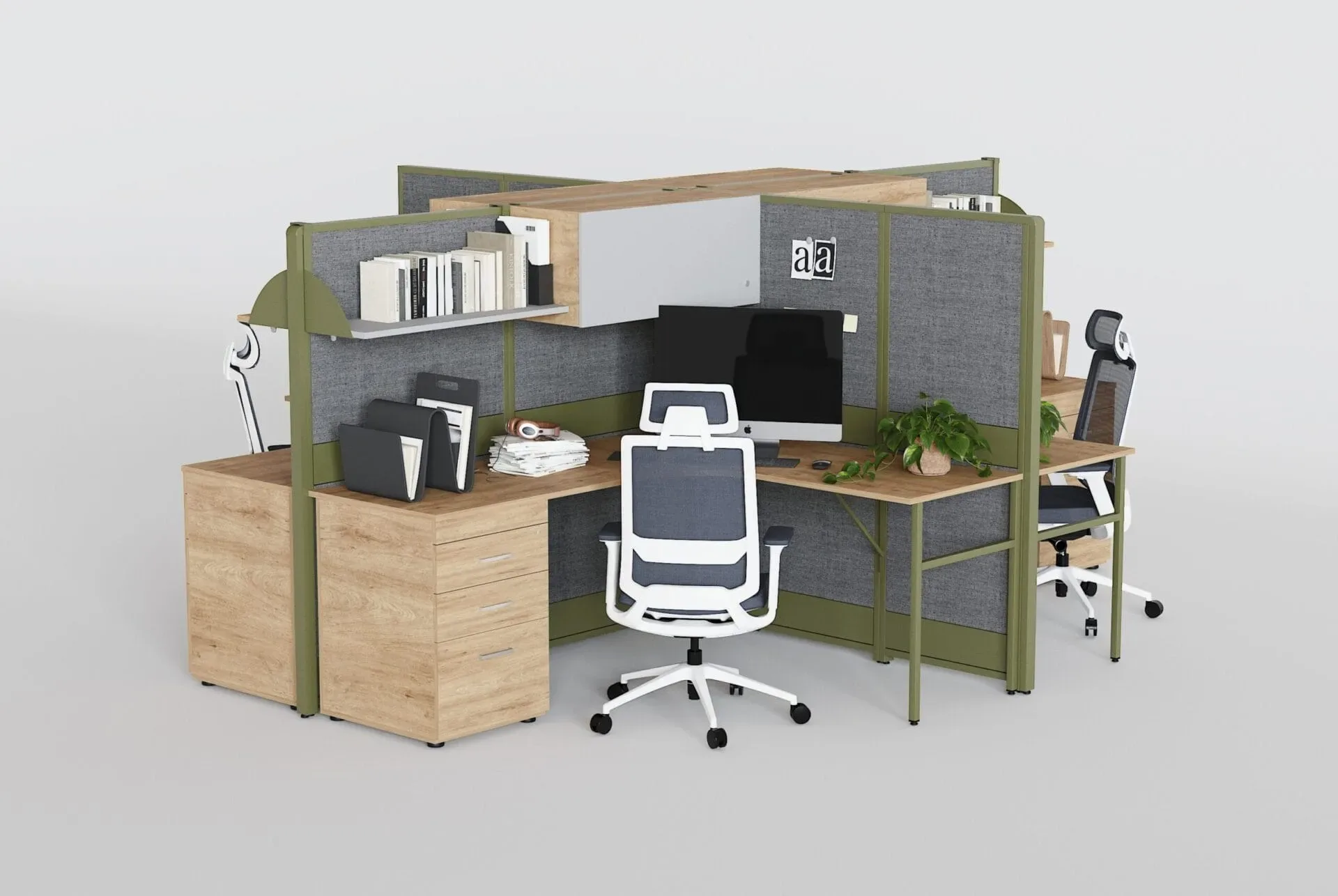
How to Choose the Right Partition for Your Executive Office
1. Define the Level of Privacy Required
A general management office, where confidential matters are handled constantly, is not the same as a management office with more operational meetings. The level of visual and acoustic privacy should be defined before choosing materials.
2. Consider Natural Light Entry
If the executive space is located near windows or facades, prioritizing glass partitions allows that light to be distributed throughout the rest of the floor, rather than concentrating it solely in the enclosed office.
3. Align the Material with Your Brand Image
A company with a more traditional, solid identity can benefit from wood and metal partitions; a company with a more innovative, tech-driven identity may opt for minimalist glass with thin frames.
4. Check Integration with the Rest of the Furniture
Partitions should not be designed in isolation: they need to be visually integrated with executive desks, bookcases, visitor reception areas within the office, and storage systems. Discover how to achieve this integration in our storage section.
5. Evaluate Maintenance
Glass requires more frequent cleaning to maintain its flawless appearance; wood or metal finishes may require specific care depending on the type of coating. This factor should be considered from the project stage, especially in offices with high visitor traffic.
Common Mistakes When Designing Partitions for Executive Offices
- Prioritizing aesthetics alone without considering acoustics. A very elegant glass partition without acoustic treatment can compromise the confidentiality of important conversations.
- Not coordinating the material with the rest of the floor. A partition that doesn't match the finishes of desks, seating, and flooring can break the visual coherence of the space.
- Completely closing off the executive space. Eliminating visual transparency entirely can create a sense of disconnection between leadership and the team, contrary to current trends toward open organizational culture.
- Not considering long-term maintenance. Choosing materials without evaluating their daily upkeep can lead to premature visual deterioration, especially in high-traffic offices.
- Ignoring modularity. Installing fixed solutions with no room for adjustment limits flexibility for future reorganizations of the executive space.
How Línea Italia Can Help You Design Your Executive Space
At Línea Italia, we support executive office design projects from start to finish: from space analysis and conceptualization to the manufacturing, delivery, and installation of partitions, executive furniture, and coordinated storage systems. Our goal is for every leadership space to convey exactly the message your organization wants to project.
Learn more about our process in space design, and explore real projects where we've developed complete executive solutions in our projects section.
Conclusion
Elegant partitions for executive offices are far more than a dividing element: they are a design tool that balances privacy, light, acoustics, and leadership image. Choosing the right material, style, and configuration requires understanding both the functional needs of the space and the message the company wants to communicate through its interior architecture.
Are you designing or remodeling your executive office? Request a proposal from our team of specialists and discover the best partition and executive furniture solutions for your project.