Customer service doesn't begin when someone picks up the phone or shakes a hand: it begins the moment a visitor walks through the door. How the reception area is organized, how easy it is to tell who to speak to, how comfortable it is to wait, and how efficient the check-in process is all directly shape the impression a customer forms of the company.
That's why reception furniture that improves customer service is not a decorative matter. It is an operational tool that makes the work easier for the person at the front desk, reduces perceived wait times, and communicates professionalism from the very first second. In this article, we review which furniture elements make a difference, how to arrange them, and which mistakes to avoid in order to create a reception area that truly serves people well.
How does furniture influence the customer experience?
Furniture shapes three core aspects of the experience:
- Clarity: visitors should know right away where to be helped, with no doubts and no unnecessary wandering.
- Comfort: a comfortable wait reduces anxiety and improves the customer's mindset before the meeting.
- Efficiency: a well-equipped reception station allows staff to help people quickly, without hunting for documents or improvising solutions.
When any of these factors fails, customers notice, even if they can't explain why. A disorganized reception area, a cluttered desk, or an uncomfortable waiting area signals a lack of organization, no matter how good the service that follows may be.
Furniture elements that improve service
1. A functional reception desk
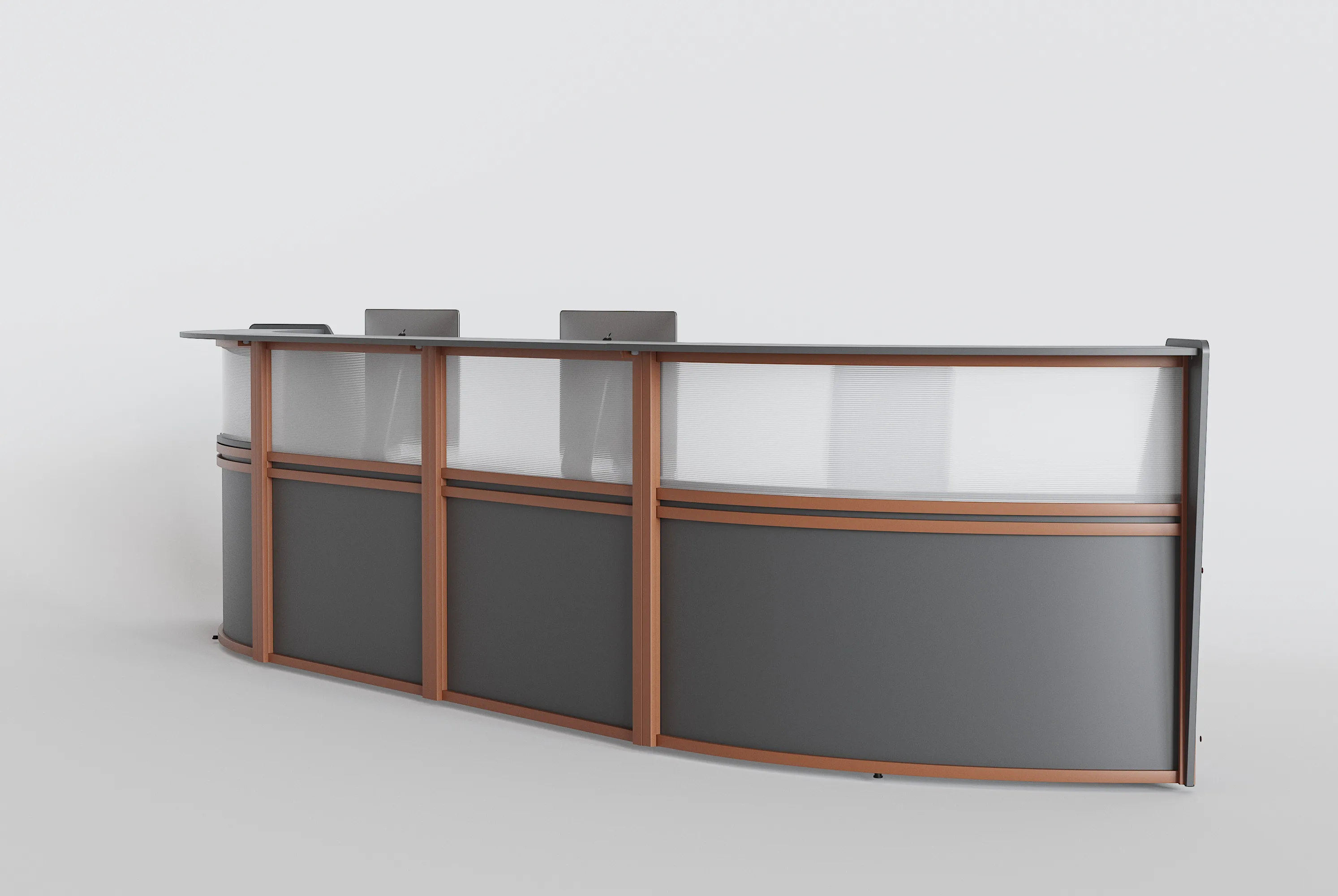
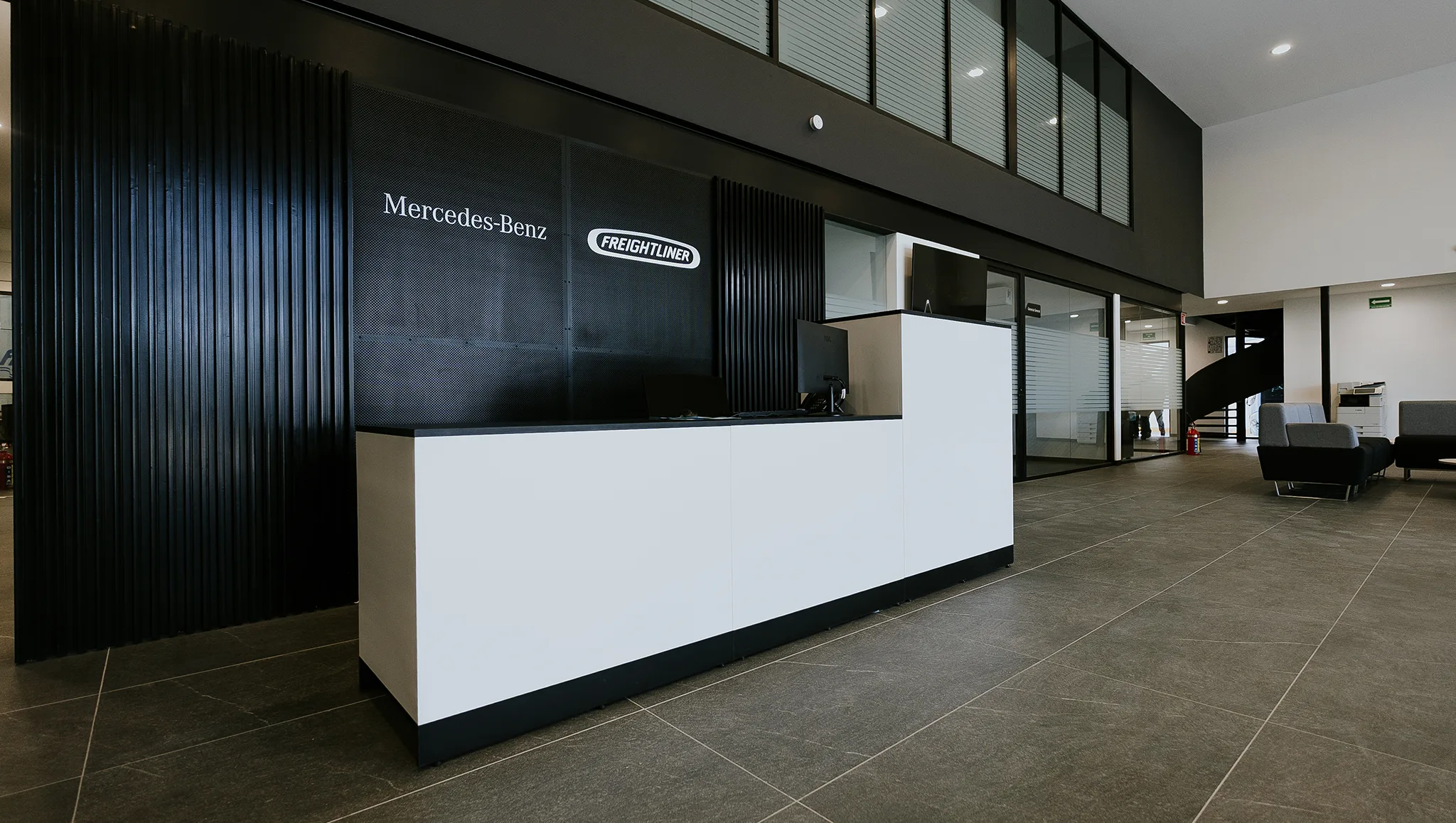
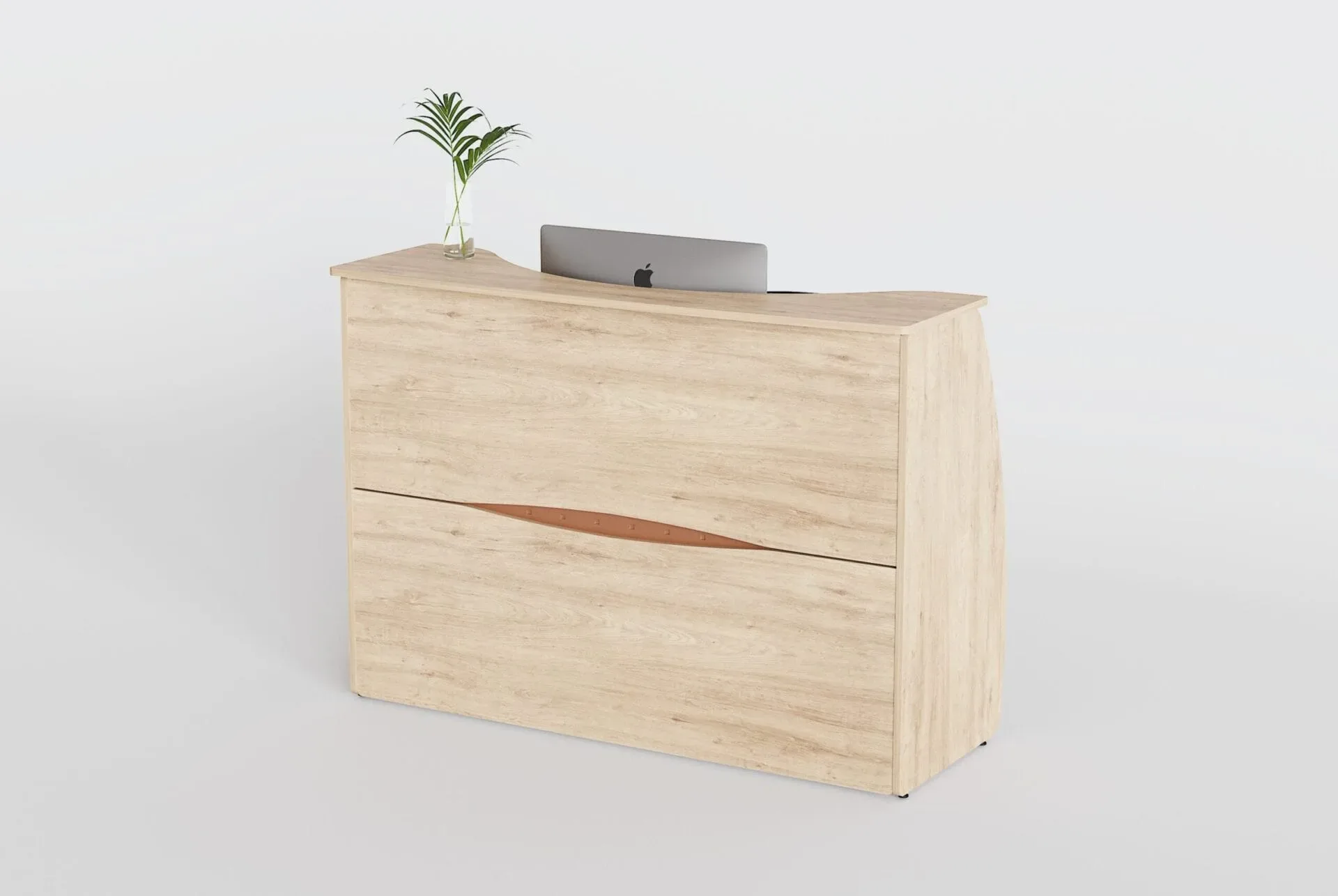
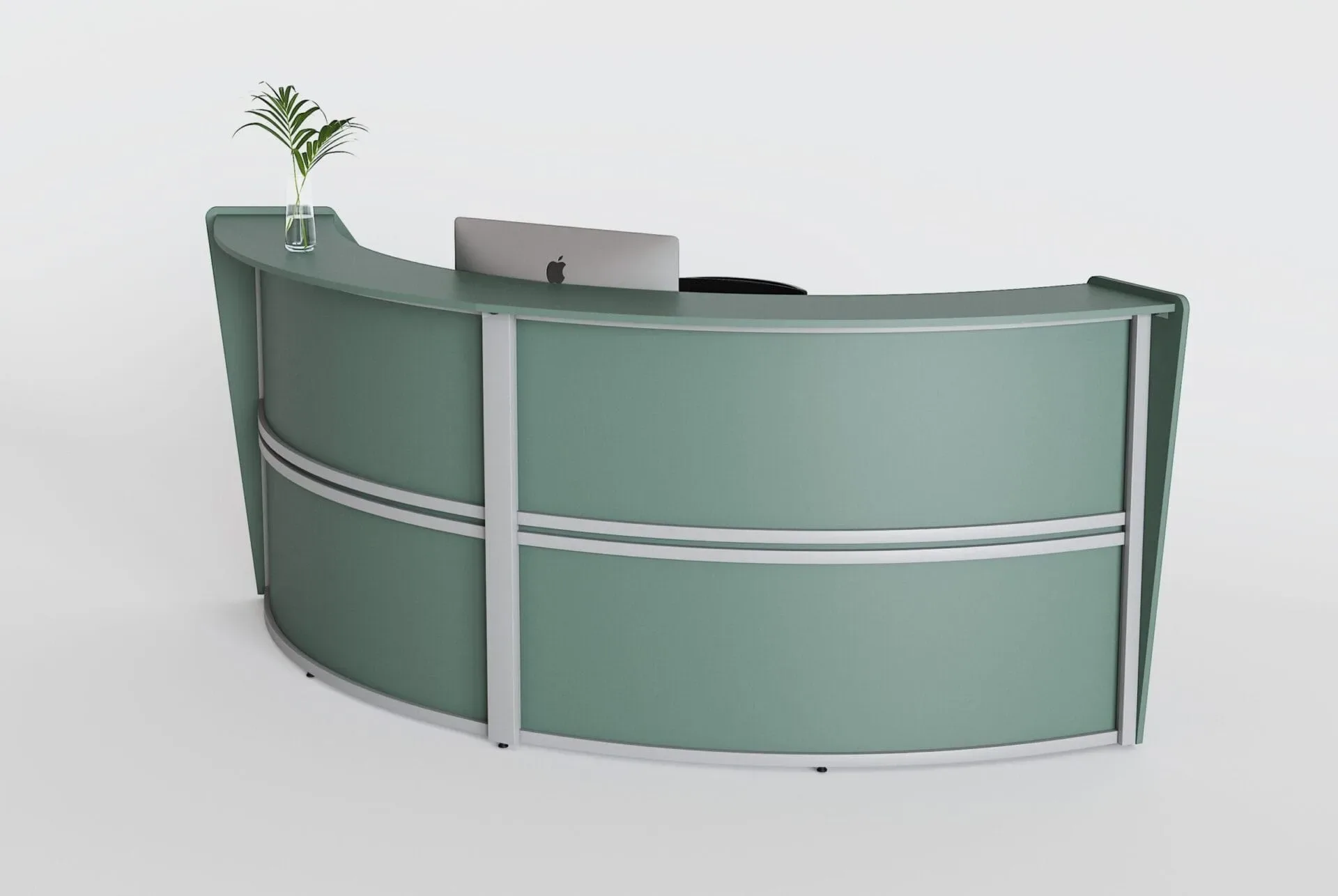
This is the centerpiece of the area, and it should be designed with two users in mind: the visitor and the reception staff. A good reception desk includes:
- Height and proportions that facilitate eye contact and natural conversation.
- A generous work surface for computer equipment, visitor logs, and documentation.
- Built-in storage to keep out of sight whatever shouldn't be on display.
- Cable management to avoid visual clutter.
- A section at an accessible height for people with reduced mobility.
Learn more in our reception desks section.
2. Storage within the staff's reach
When the reception team has badges, forms, packages, and stationery items close at hand, service flows smoothly. If they have to get up to look for each item, the visitor waits longer and perceives disorganization. Integrated storage solutions built into the desk or in complementary furniture keep the area tidy and efficient.
3. Ergonomic seating for reception staff
The people who greet visitors spend many hours seated, with constant interruptions. A chair with good lumbar support, adjustable height, and smooth movement helps maintain energy and a positive attitude throughout the workday. Check out our office chairs.
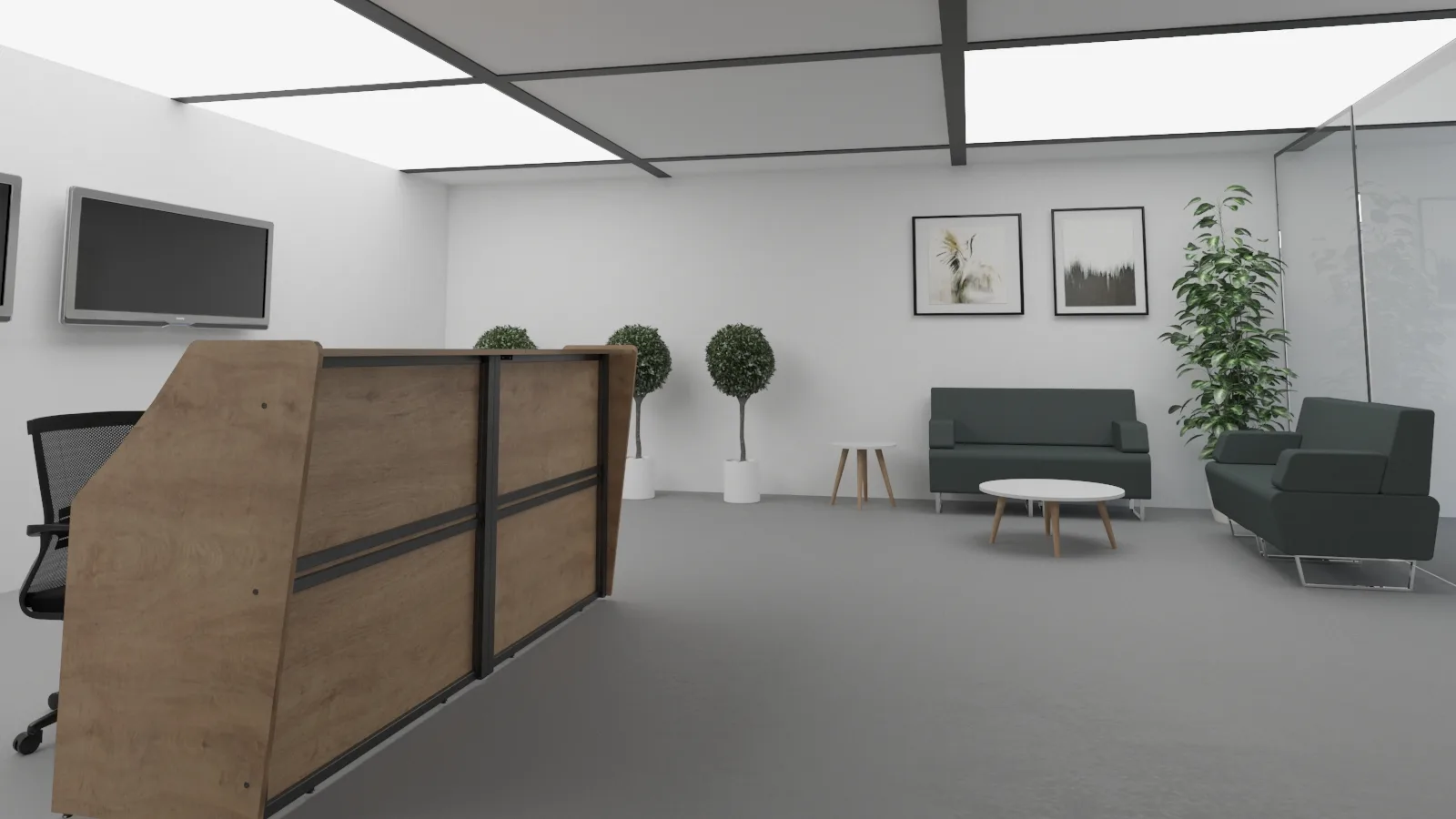
4. A comfortable waiting area
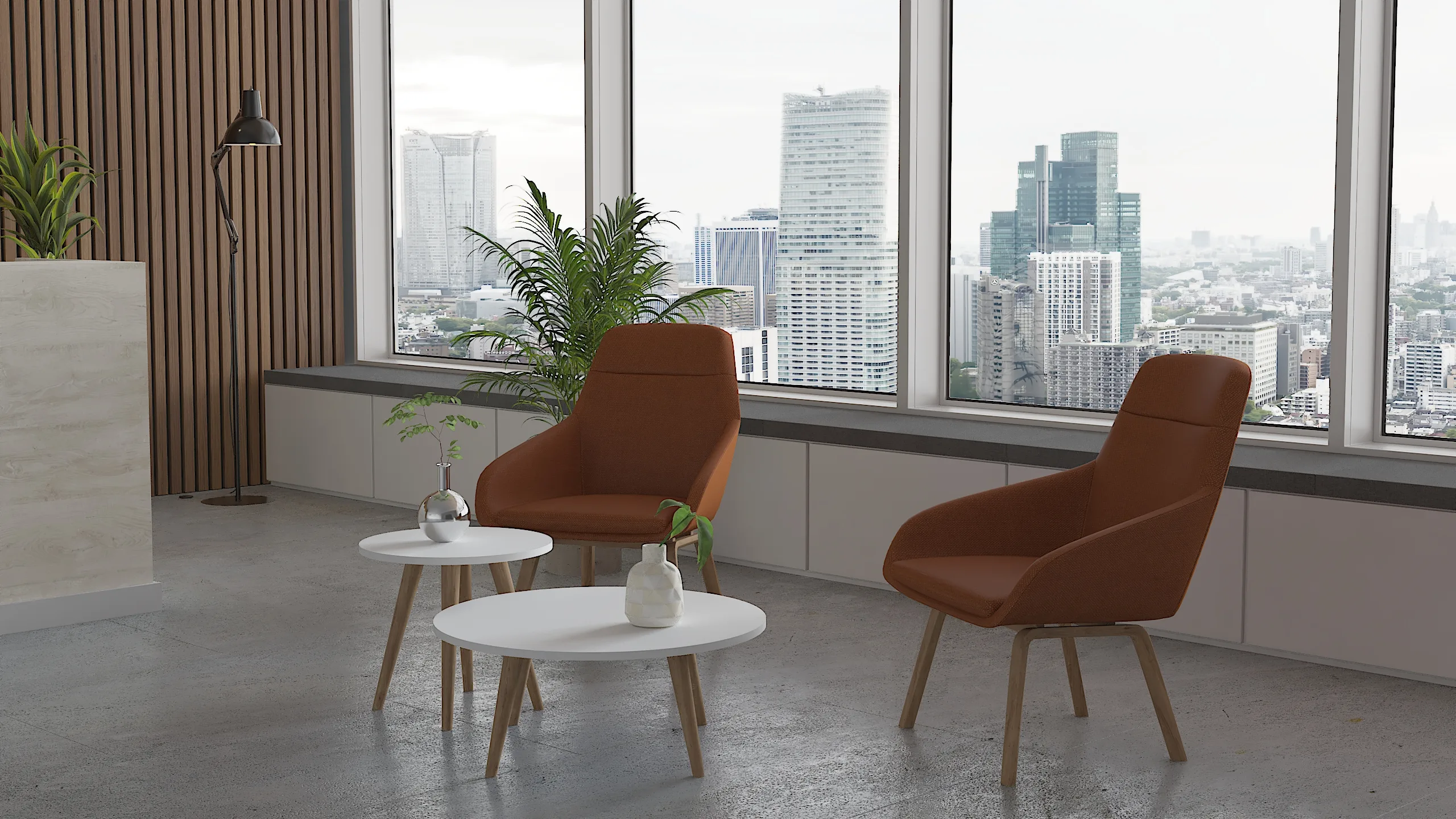
The waiting room is where customers spend the time before their appointment. To make it a positive experience, consider the following:
- Seating with good ergonomics, suitable for waits of 10 to 20 minutes.
- Side tables or coffee tables for resting drinks, documents, or devices.
- A layout that allows for conversation with a degree of privacy.
- Materials and finishes that are consistent with the brand's identity.
5. Information and check-in elements
A clear check-in point, whether digital or physical, speeds up visitor entry and reduces lines. Integrating it into the desk design, rather than adding it as an improvised accessory, keeps the look clean and professional.
6. Finishes and materials that communicate your brand
Well-chosen laminates, textures, and colors make the reception area reflect the company's personality. Explore combinations in our finishes section.
Layout: how to organize the space to serve people better
Visibility from the entrance
The reception desk should be identifiable at a glance. Placing it in line with the entrance or in a highly visible spot keeps visitors from wondering where to go.
Clear circulation
Unobstructed pathways between the door, the desk, and the waiting area make it easier for people to move through the space, even during peak traffic.
Separation between waiting and traffic
The waiting area should not sit along the route to the internal areas. This way, visitors feel comfortable and are not exposed to the constant passing of employees.
Privacy during service
If sensitive matters are handled at reception, such as personal data or confidential appointments, it's a good idea to plan for a service area with greater visual and acoustic privacy, supported by acoustic solutions for offices.
Reception furniture by type of business
- Corporate offices: large-format reception desks, a solid image, and integrated access control.
- Law firms and medical offices: warmer environments, with an emphasis on privacy and comfort while waiting.
- Coworking spaces: flexible reception areas, with room to receive packages and assist multiple users.
- Call centers and operations offices: efficient, compact reception areas focused on access control.
- Showrooms and retail spaces: reception areas that integrate product display and personalized service.
Signs your reception area needs a refresh
- Visitors don't know who to approach when they arrive.
- The desk is cluttered with papers, cables, or personal items.
- The waiting area is uncomfortable or disconnected from the rest of the space.
- Staff improvise places to keep their work tools.
- The furniture looks worn or no longer reflects the company's current image.
- There are lines or confusion during peak hours.
Common mistakes when furnishing a reception area
- Designing only to impress. A spectacular but impractical reception desk slows down day-to-day service.
- Not planning for storage. Without a place to put things away, clutter ends up in plain view of the customer.
- Neglecting accessibility. A desk without an accessible section excludes some visitors.
- Underestimating the waiting area. It's part of the service experience, not a secondary space.
- Ignoring staff ergonomics. Someone who sits poorly serves poorly.
- Failing to coordinate reception with the rest of the office. The visual identity should be continuous throughout the visitor's journey.
How Línea Italia can help you improve your reception area
At Línea Italia, we design, manufacture, and install reception furniture built to improve the experience of those who visit and the efficiency of those who serve them. We support the entire project, from analyzing the space and visitor flow through manufacturing, delivery, and installation, integrating reception, waiting, and storage into a single cohesive proposal.
Learn about our process in space design, explore our corporate furniture collections, and see real examples in our projects section.
Conclusion
Reception furniture directly influences how the company and its service are perceived. A functional desk, accessible storage, ergonomic seating, and a comfortable waiting area make up a combination that eases the team's work and leaves a positive impression on the customer from the very first moment. Designing it with care is a direct investment in the quality of your service.
Want your reception area to help you serve people better? Request a proposal from our team of specialists and discover the ideal furniture for your space.